River rock and rock gardens
Stone fills with silt and weeds root in it. We wash the weeds out on low pressure, rake the bed level, then steam what is left down to the root crown - no new stone, no herbicide.
River Rock Refresh - priced by the bed →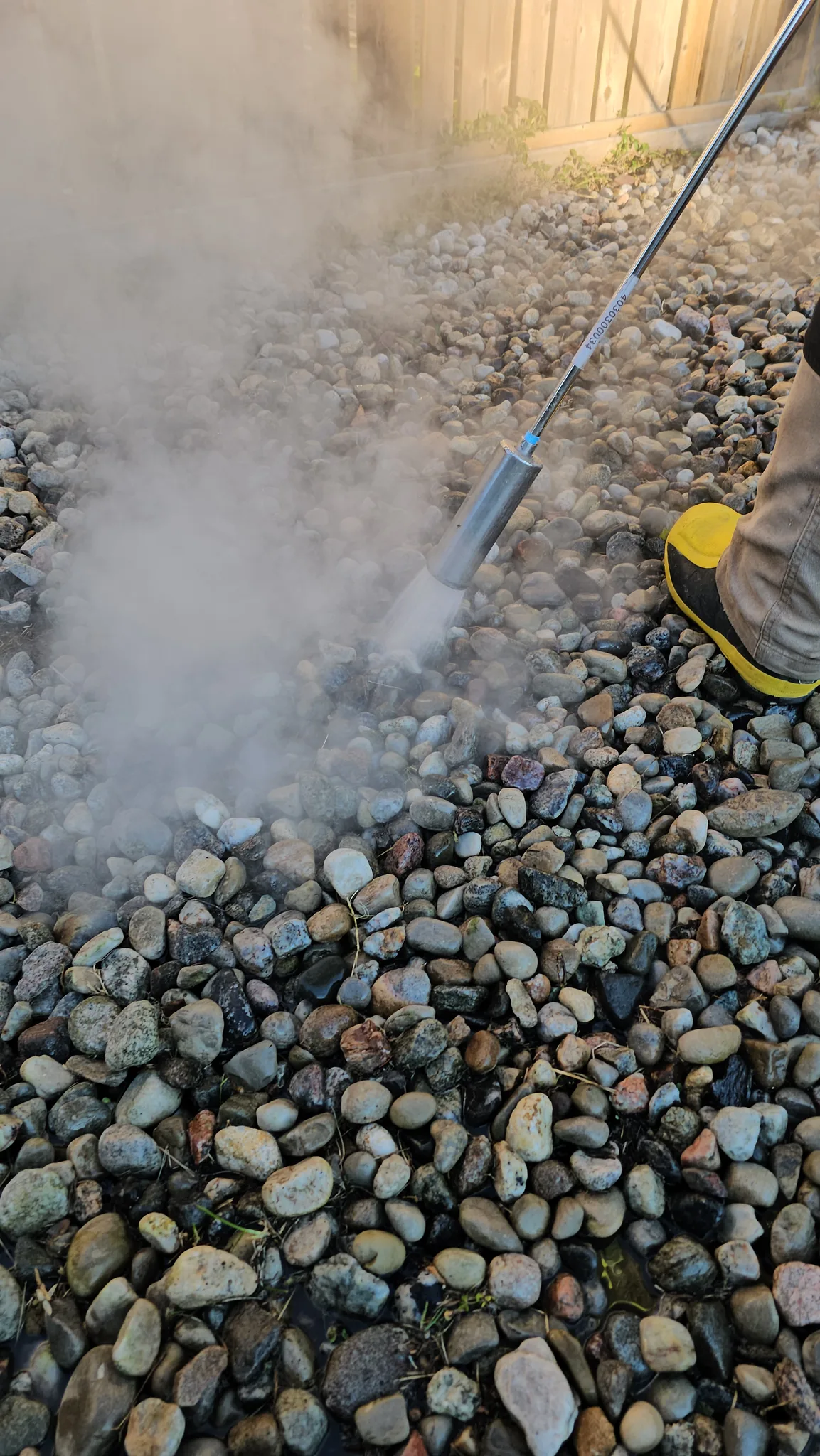
Up to 900,000 BTU of saturated steam takes weeds down to the root - nothing applied to your property but superheated water vapour. Two purpose-built units: 900,000 BTU for whole lawns, 400,000 BTU for joints, beds, paths and edges. We use them on river rock and rock gardens, garden beds and gravel paths, community gardens, lawns being terminated for a reseed, and interlock joints. It is also the tool for the places where spraying was never an option.
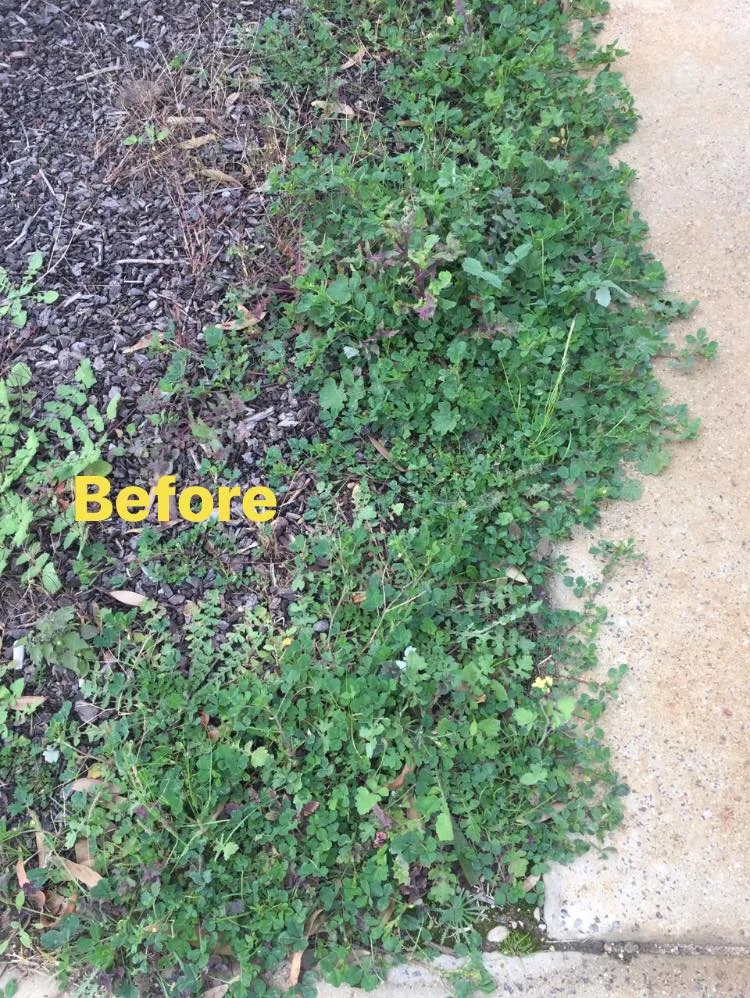
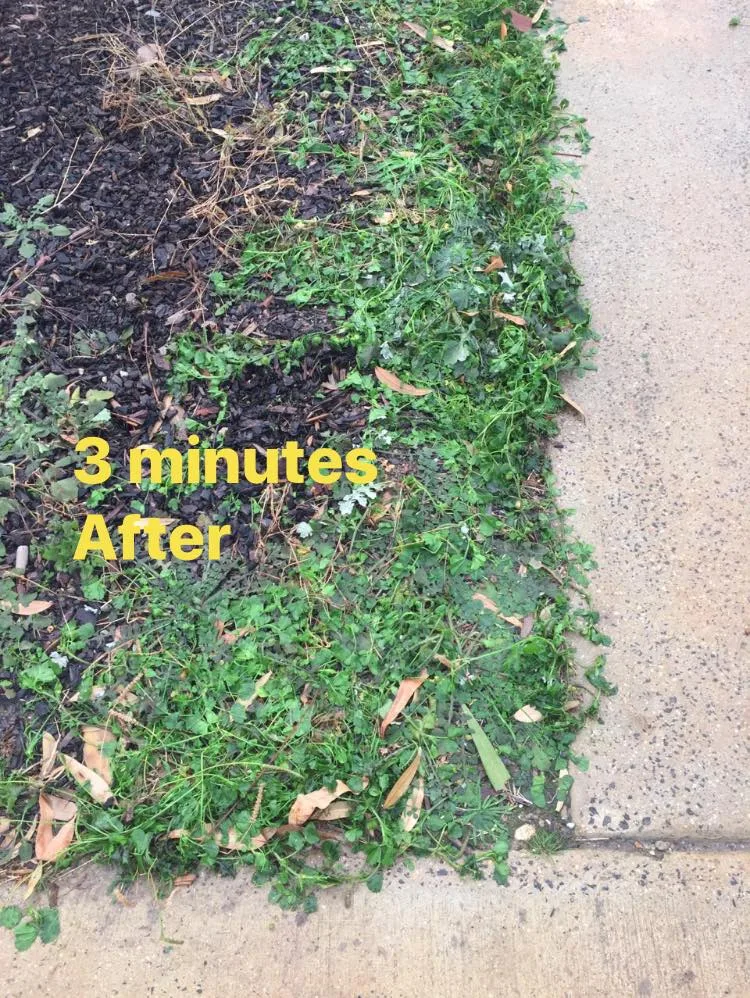
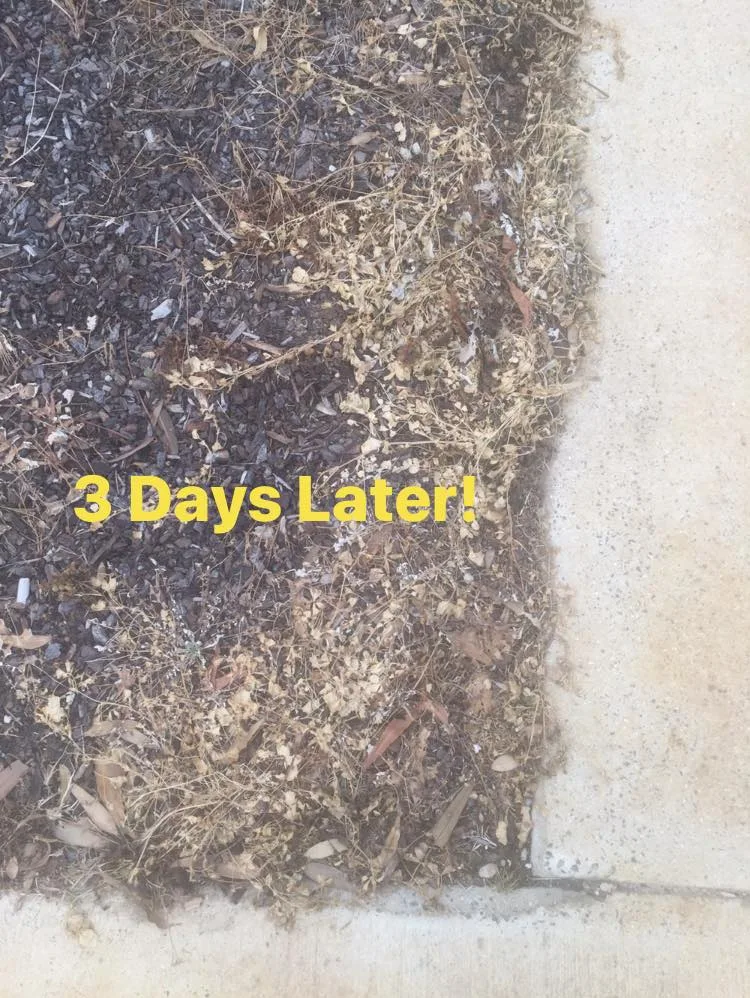
Same spot, one treatment. Saturated steam penetrates the plant and collapses it from the leaf down through the root crown - which is why the weed browns off instead of bouncing back the way it does after trimming.
Railway researchers in Japan put a number on that difference. Comparing steamed track against mown track a year later, they counted about 70% fewer large weeds where steam had been used - 25 plants per square metre against 89. Their explanation is the one that matters in gravel and in a paver joint: mowing passes over the sprouts sitting at ground level, while steam reaches them.Tanigawa, Ushiogi, Ikehata & Nakamura, Quarterly Report of RTRI 66(2), 2025.
Size is the variable. In New Zealand field trials a steam weeder killed 100% of ten-day-old test plants where flame killed 92%, survival rose as the plants got bigger and their growing points were shielded by soil or thicker stems, and neither steam nor flame killed perennial ryegrass. That is the same reason small weeds go in one pass here and big ones sometimes take two.Merfield, Hampton & Wratten, New Zealand Journal of Agricultural Research 60, 2017.
Two of these are priced on the site: River Rock Refresh, by the bed, and Restart - new lawn by steam and sod, in the estimator. The rest are quoted.
Stone fills with silt and weeds root in it. We wash the weeds out on low pressure, rake the bed level, then steam what is left down to the root crown - no new stone, no herbicide.
River Rock Refresh - priced by the bed →Steam reaches the gap a trimmer tears and a spray can't go: along foundations and curbs, through mulch without disturbing it, between stepping stones. Weeds wilt in minutes and brown off in days. Quoted by area and access.
Ask about your beds and paths →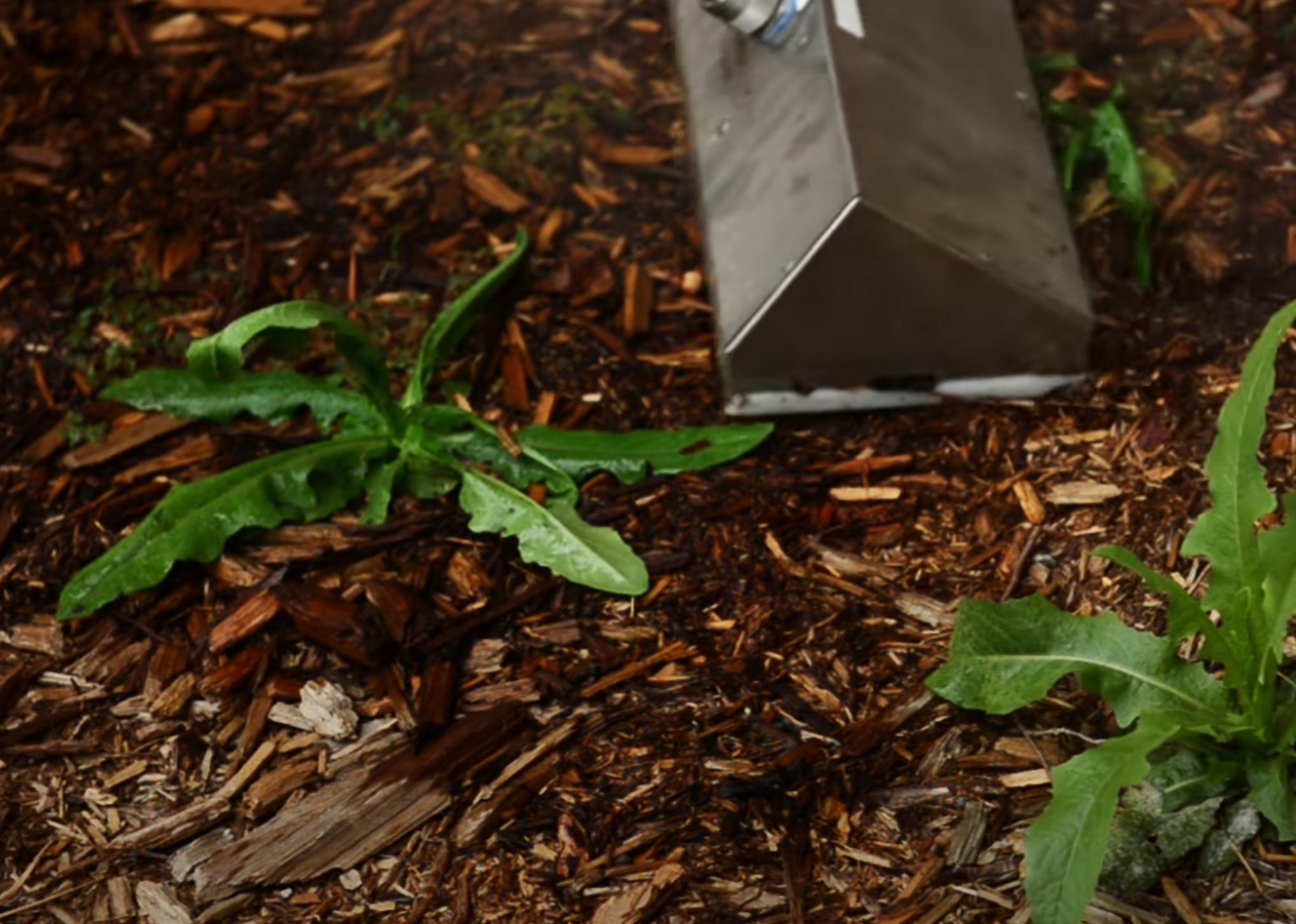
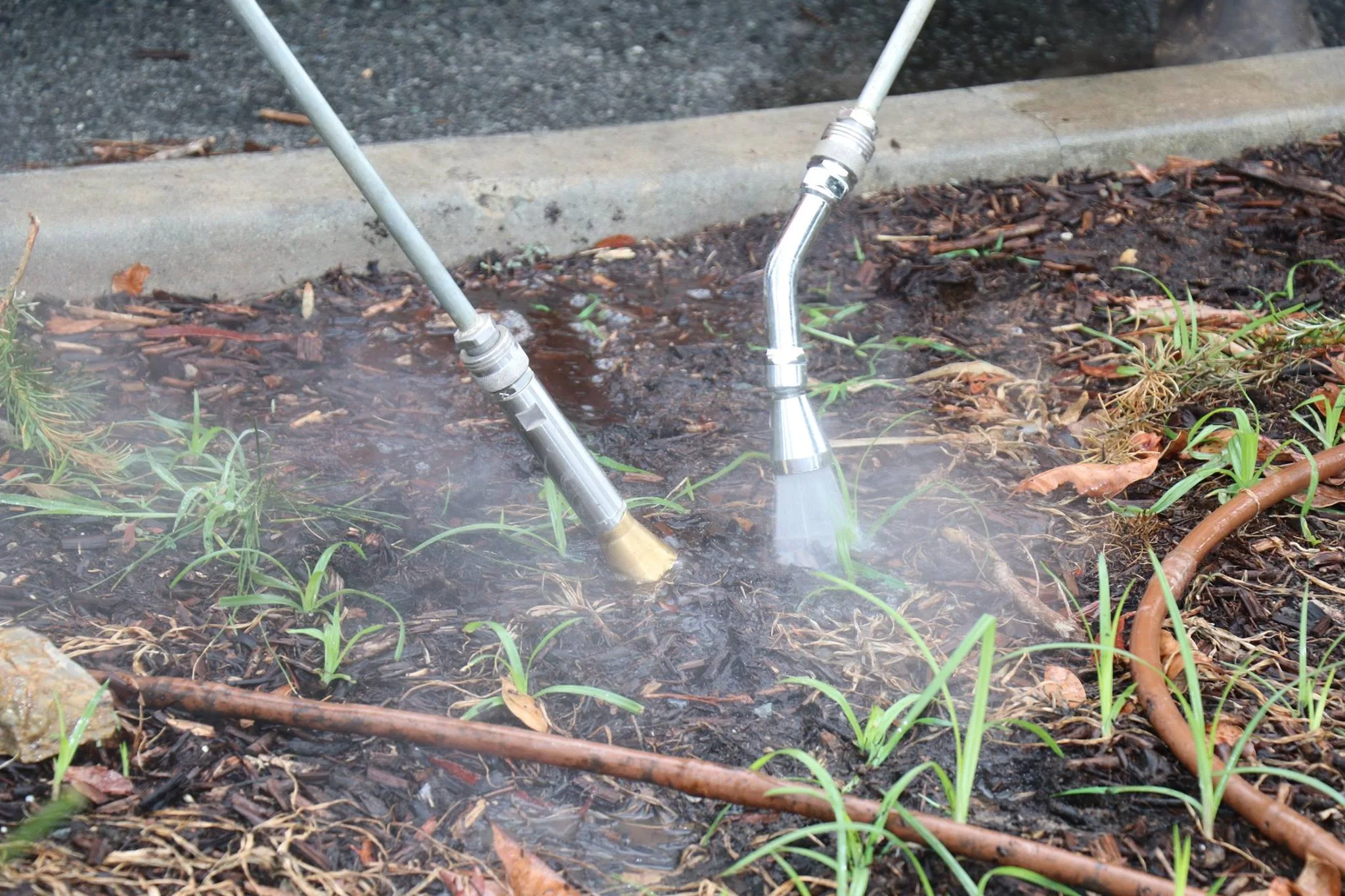
In an organic garden nothing can be sprayed, and weeding the paths by hand is the job nobody signs up for. In August 2026 we steamed the gravel paths between the plots at an Ottawa community garden: plots untouched, paths clear, nothing left behind but water.
We work with garden committees and organic growers - get in touch to talk through a visit.
Talk to us about your garden →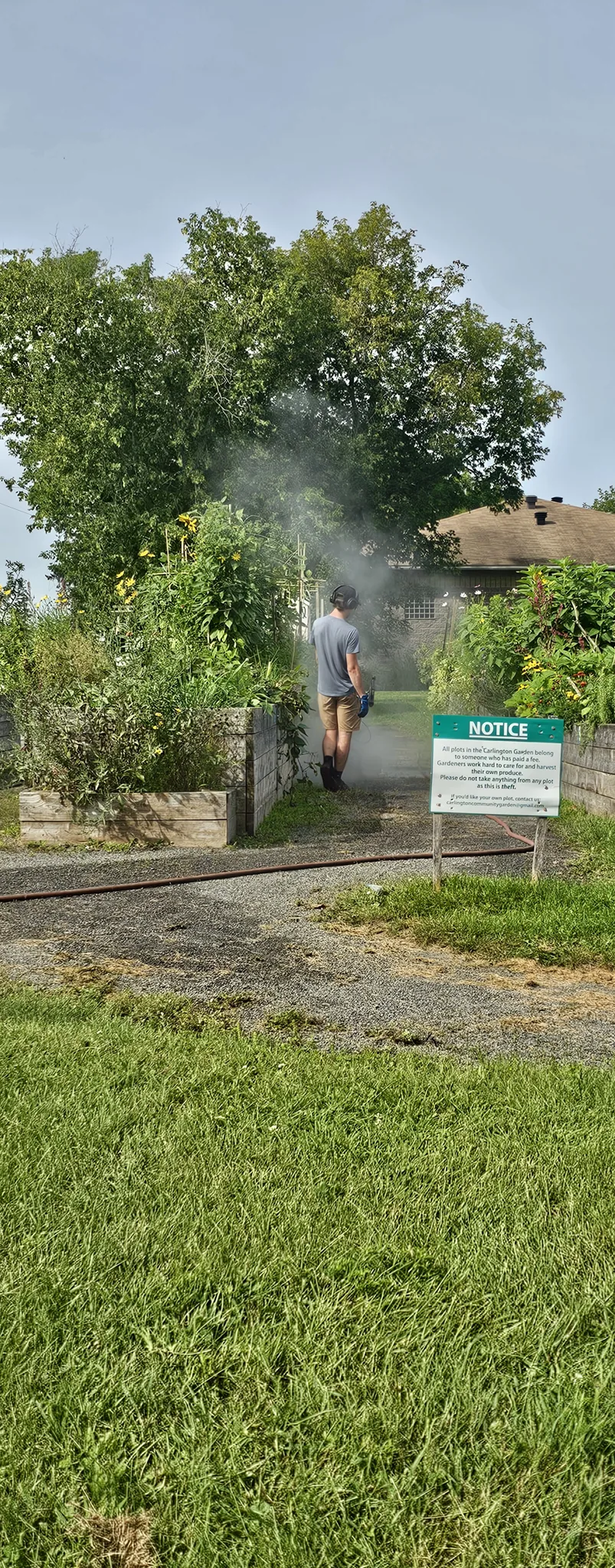
When a lawn is too far gone to overseed, steam terminates the old turf and the weeds in one pass - that is what the 900,000 BTU unit is for. No herbicide, no waiting period before the new lawn goes in. It is the first step of Restart, steam then sod, and of a steam-and-seed renovation, which we quote from the measured area.
Restart - new lawn by steam and sod →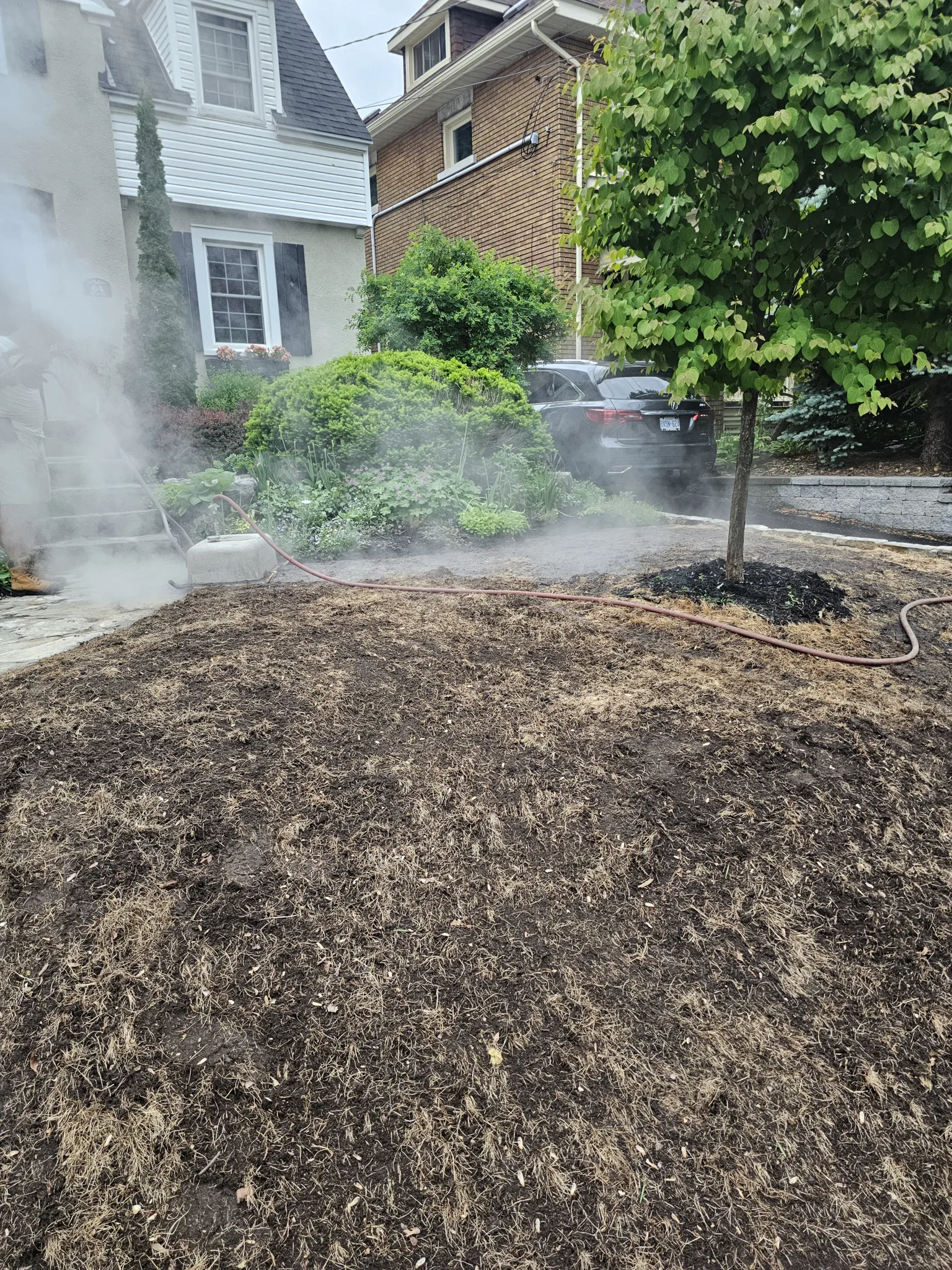
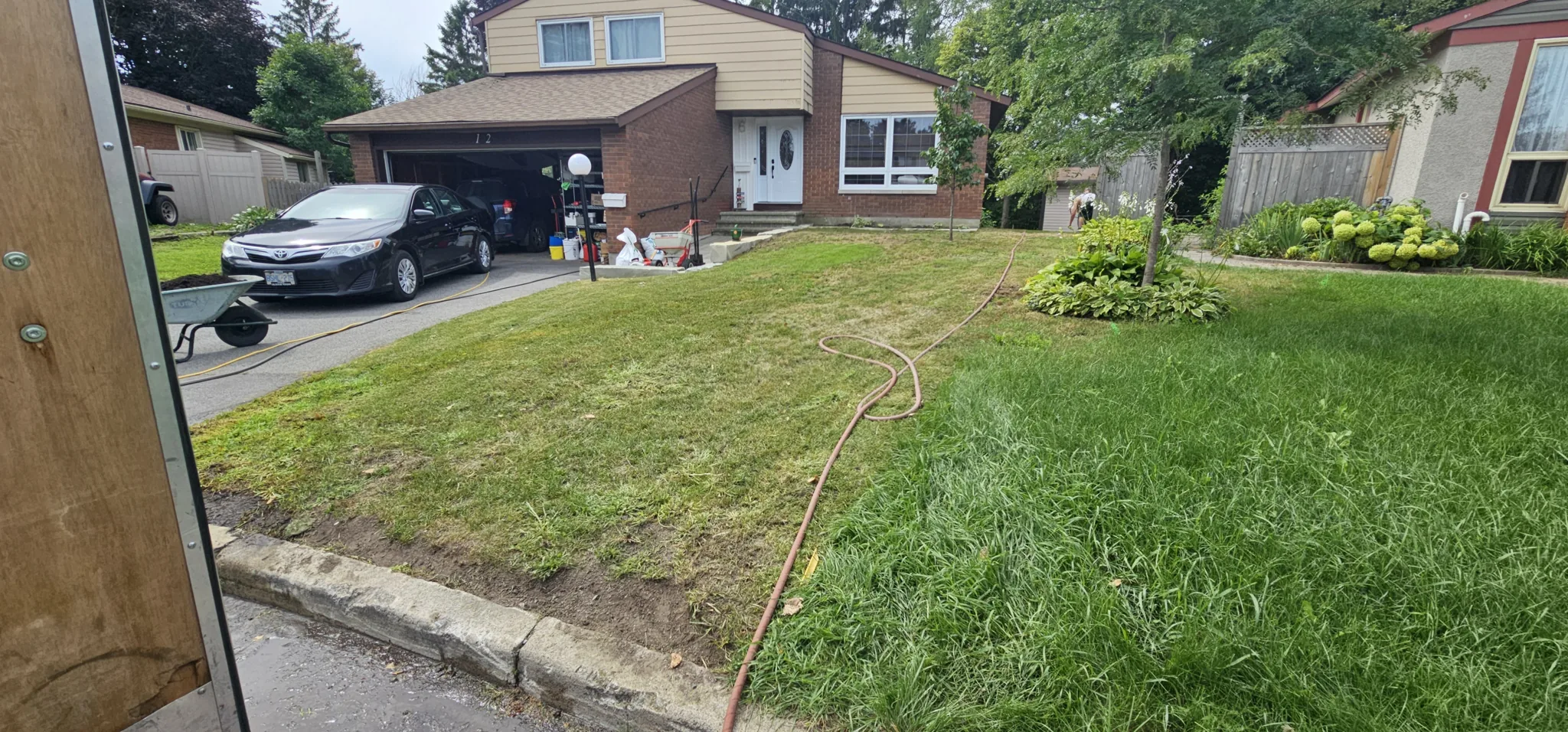
Along a shoreline, a pond edge or a ditch that drains to the river, spraying is not an option. Steam is: it takes the weed down to the root and leaves nothing behind to run off. We have the unit and the method - if you look after waterfront property or a pond edge, ask us.
Ask about a shoreline or pond edge →On interlock, steam does the part extraction can't. Once the old joints are out and the channels are open, saturated steam reaches the roots left in them - the ones that would otherwise be sanded over alive. Then the joint is rebuilt with compacted polymeric sand, and the lock gives the next seed nowhere to root.
Interlock Restoration - Natural Finish →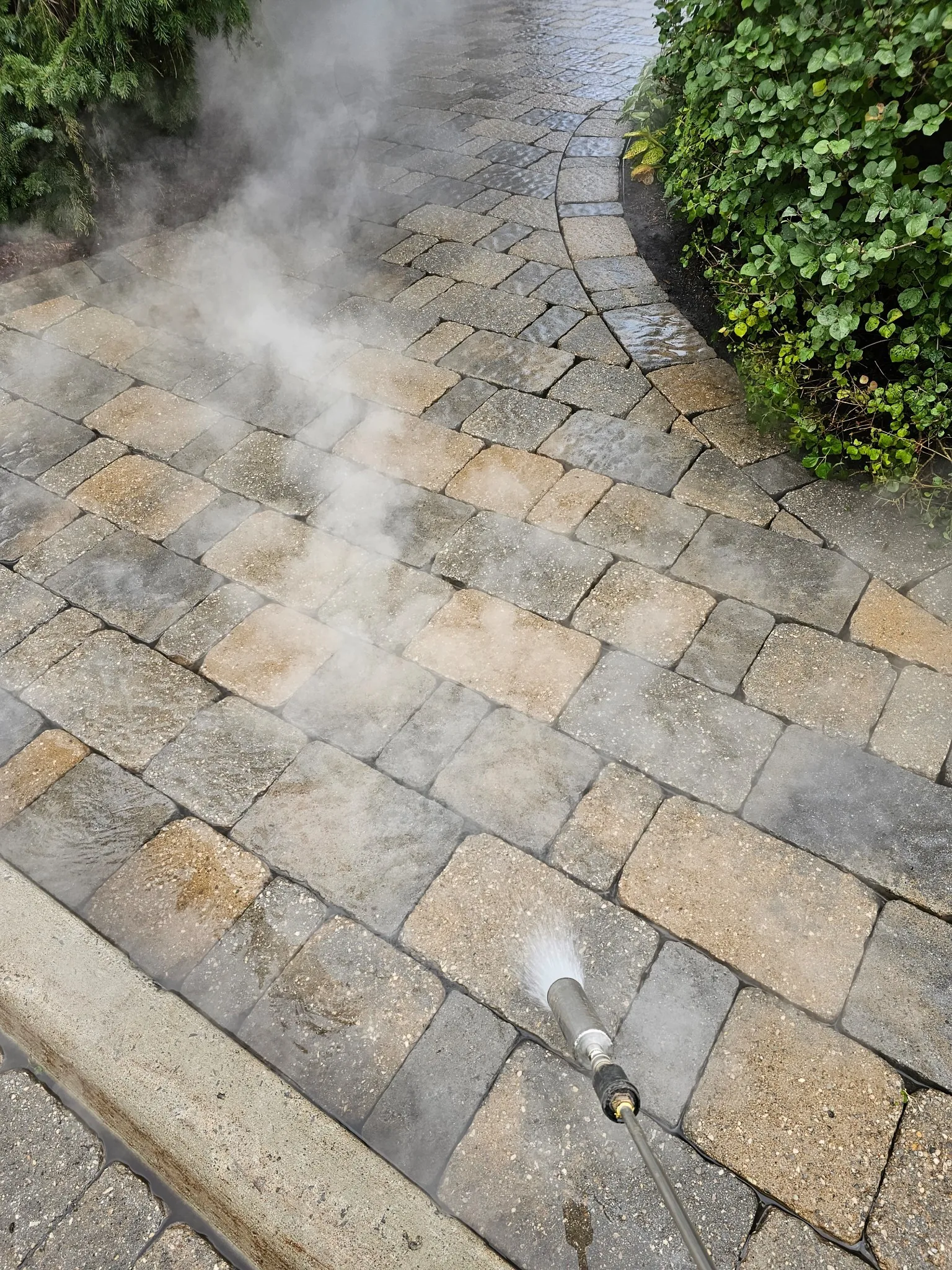
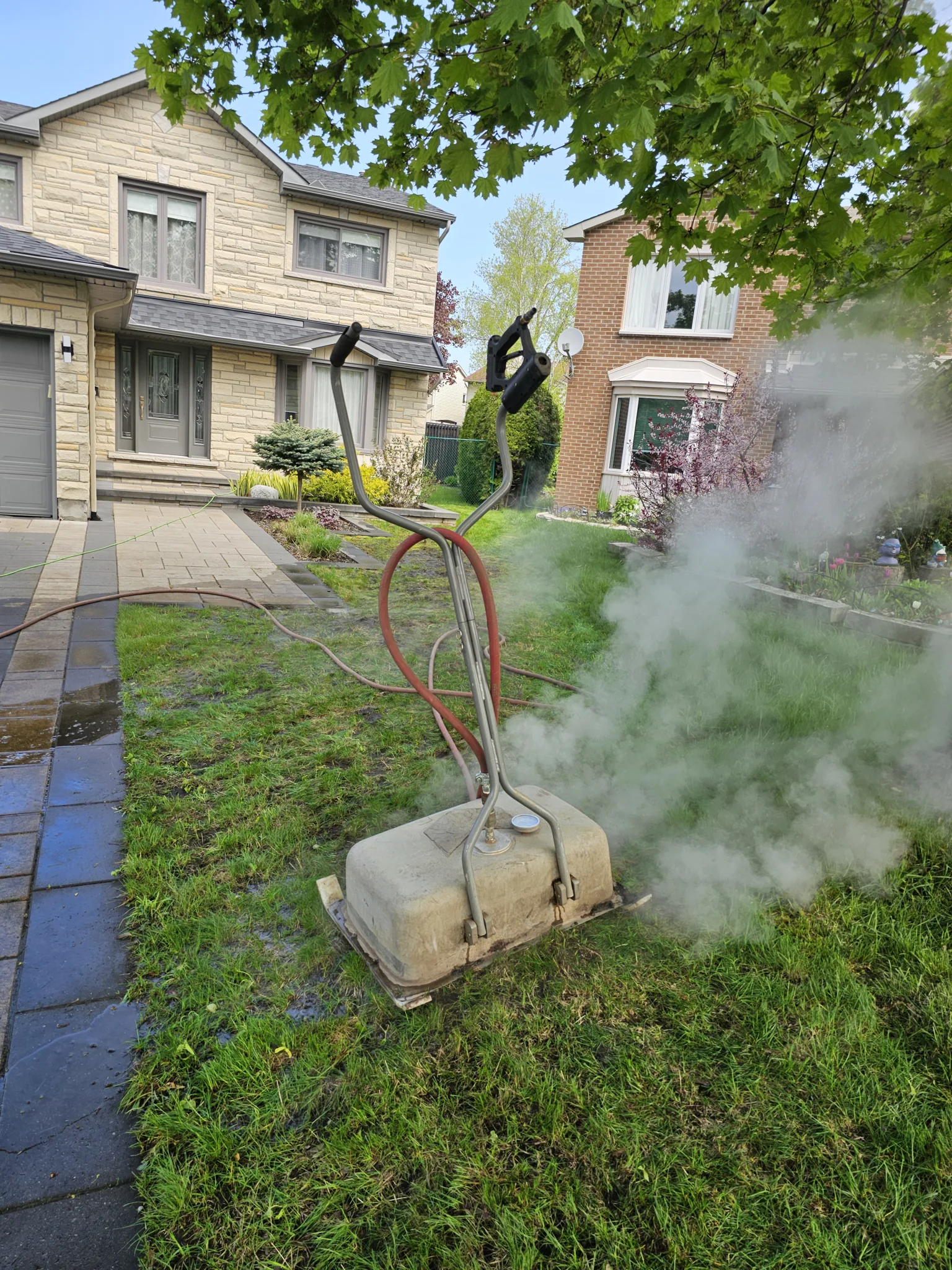
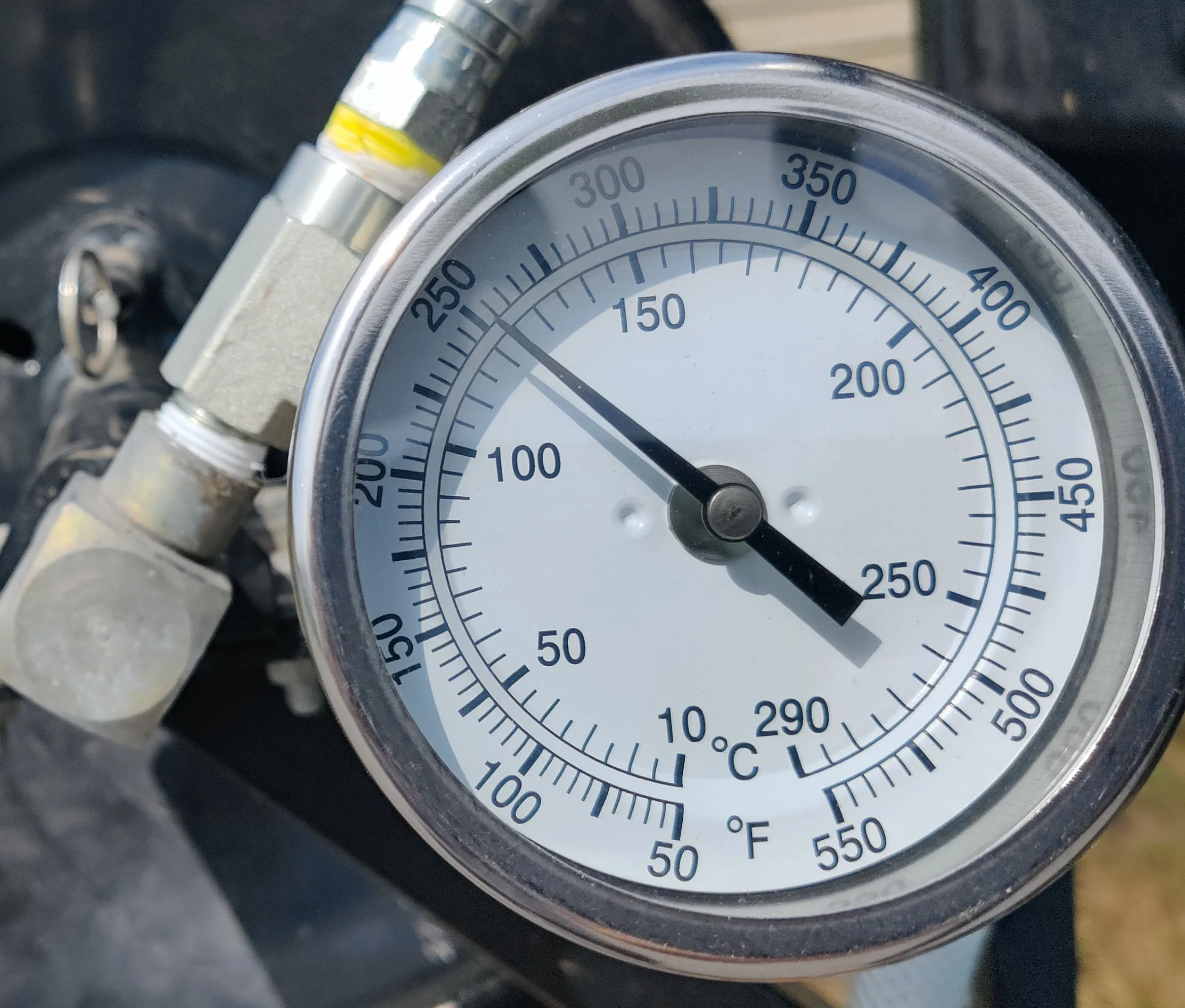
A purpose-built 900,000 BTU unit for whole lawns - the one that terminates a problem lawn in a pass - and a custom 400,000 BTU unit for joints, beds, paths and edges. Both generate commercial volumes of saturated steam at over 100°C - enough heat, delivered fast enough, to take a root crown with the leaf instead of just scorching the surface. Temperature is verified at the gauge on every job.
It's the same reason we run a 24-inch AeraSeeder and commercial surface cleaners: purpose-built tools change what "done properly" means.
Pulling snaps the stem and leaves the root crown in the stone - it is back in weeks. Vinegar and torches burn the leaves and leave the crown as well. Saturated steam collapses the plant from the leaf down through the root crown, and it reaches between the stones where a tool can't. On river rock we wash the silt out first, rake the bed level, then steam what is left.
Steam goes where the lance points. A few centimetres away a plant is untouched, so we work along bed edges, between stepping stones and down the paths of a vegetable garden without disturbing what is growing beside them.
Yes - immediately. The only thing applied to your property is water, as saturated steam at over 100°C. The moment the surface cools, which takes minutes, there is nothing to keep anyone off the lawn, the path or the patio. No re-entry intervals, no residue, no drift.
Saturated steam collapses the plant from the leaf down through the root crown - that is what separates it from string trimming, which leaves the root alive to push regrowth in days. You see the weed wilt within minutes and brown off over the following days. Established perennial weeds with deep roots are knocked back hard; some need a second pass.
Most young and broadleaf weeds are done in one pass. Deep perennial grasses and well-established weeds are knocked back hard and sometimes need a second visit. Nothing chemical-free sterilizes the soil's seed bank, so seedlings can appear later; they are shallow, and a return pass takes a fraction of the first visit. On interlock, steam into the open joints finishes the roots extraction leaves behind, and the locked joint after the restoration keeps new seed out.
That is where steam makes the most sense. Spraying beside water is not an option, and steam leaves nothing behind to run off - the plant collapses to the root, and the only thing on the ground afterwards is water. If you look after waterfront property, a pond edge or a drainage ditch, get in touch and we will look at it with you.
It depends on the ground. River rock beds are priced on the River Rock Refresh page. Garden beds, gravel paths and edges are quoted by area and access. Community and organic gardens are quoted by the visit, after we have seen the paths and plots. Terminating a lawn is priced inside Restart or a seeding plan. On interlock it is part of the restoration. Get in touch with a photo or two and we will tell you which applies.